Call us now :08045802065
 Send Inquiry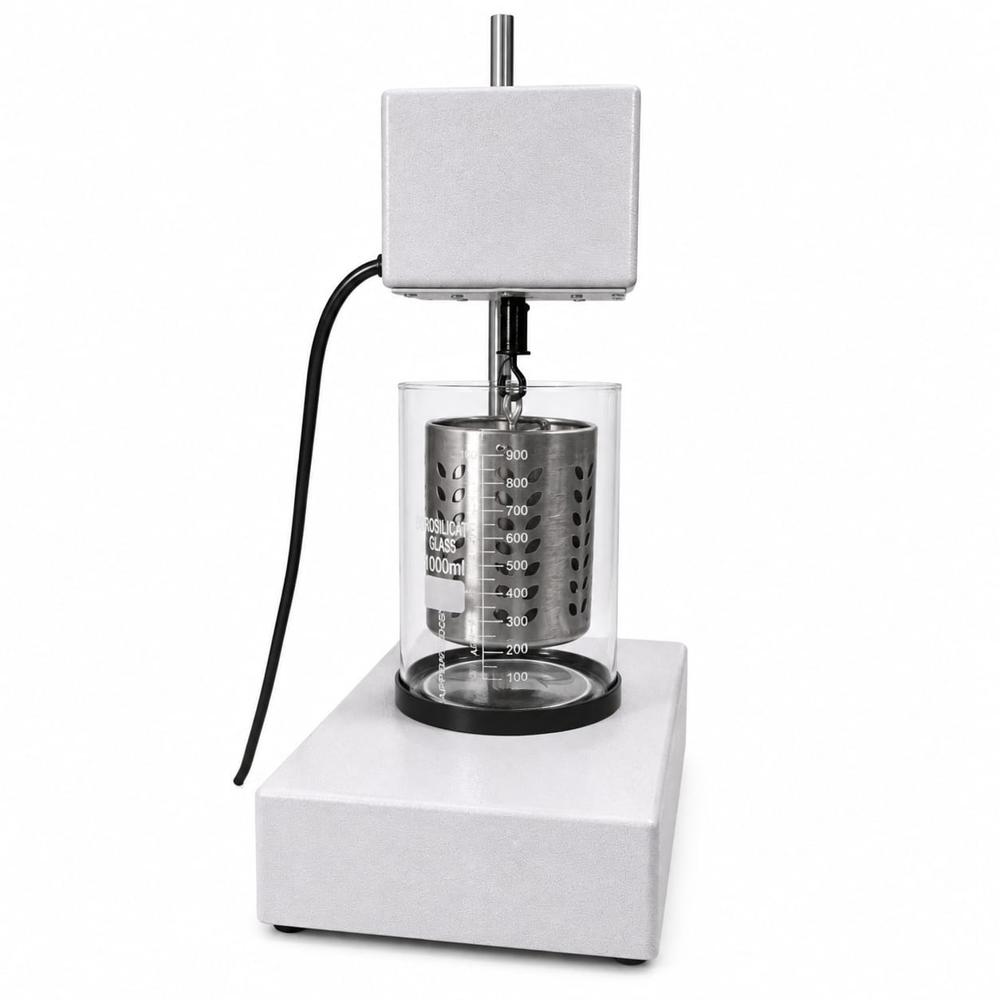
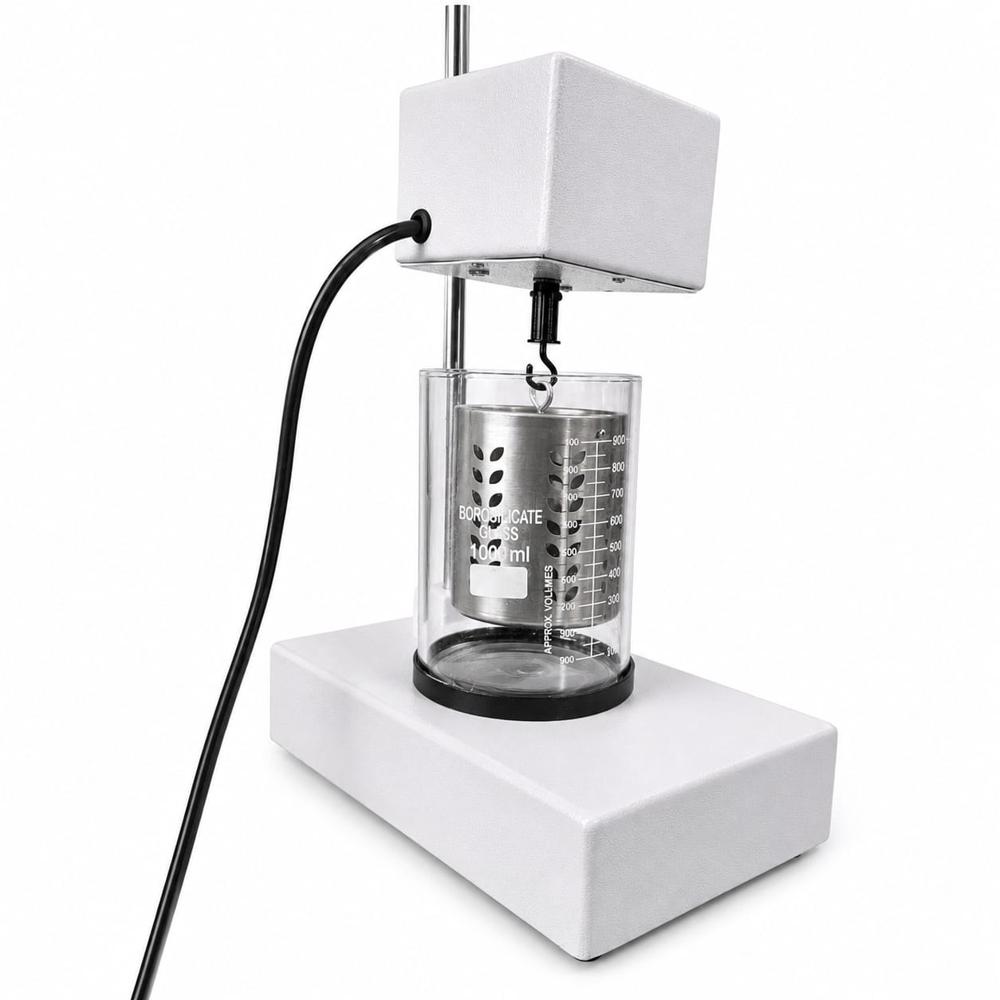
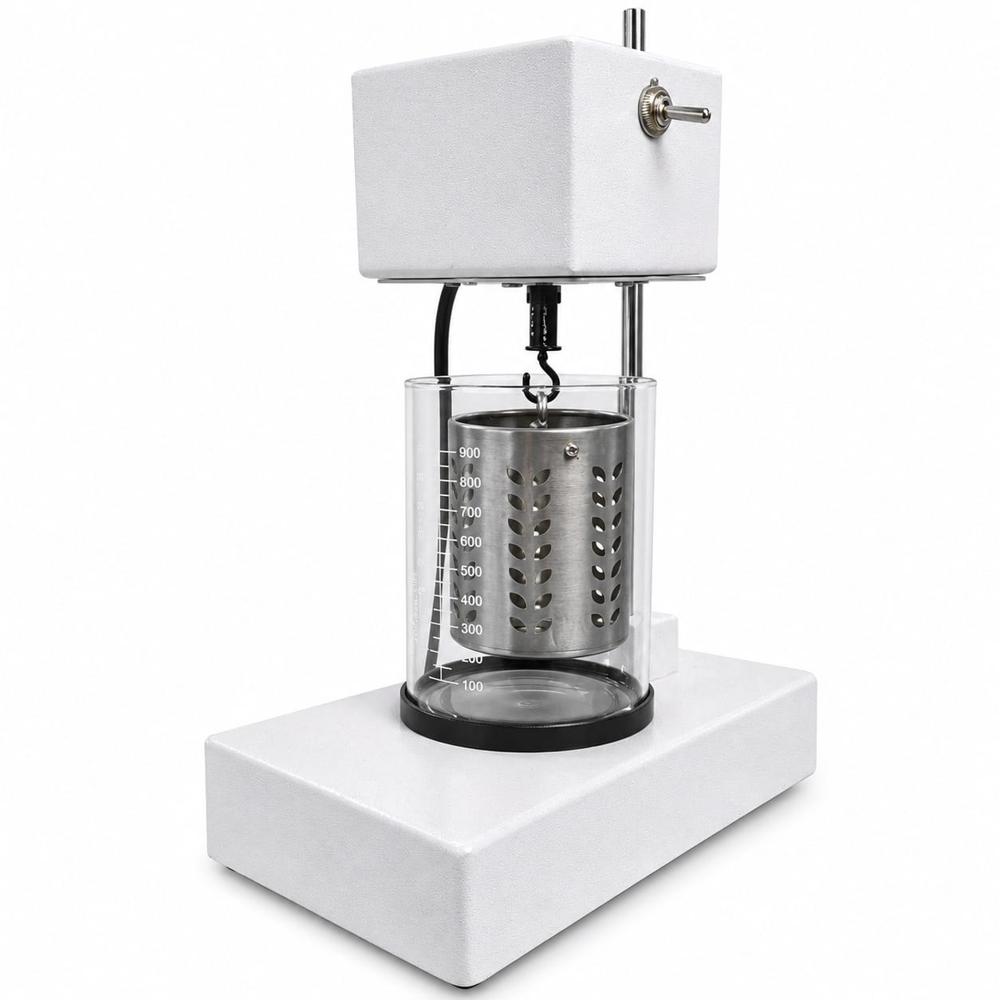
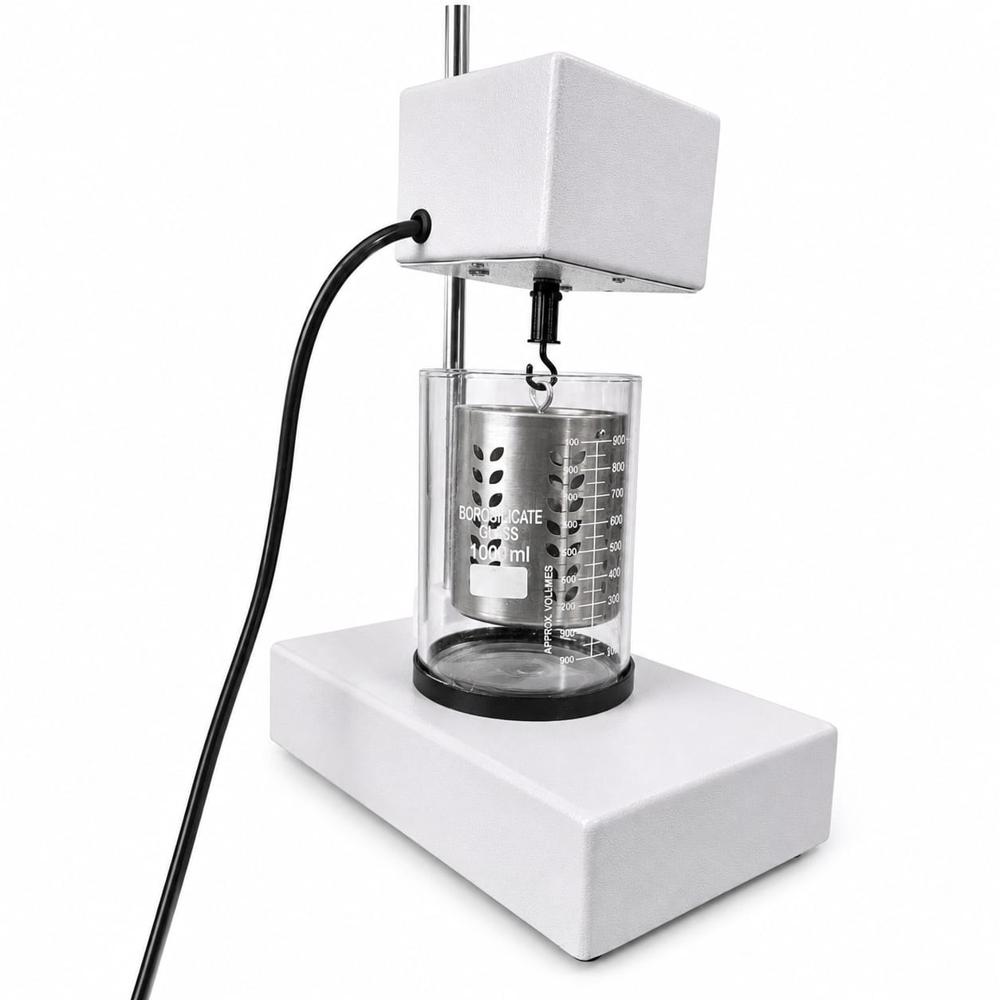
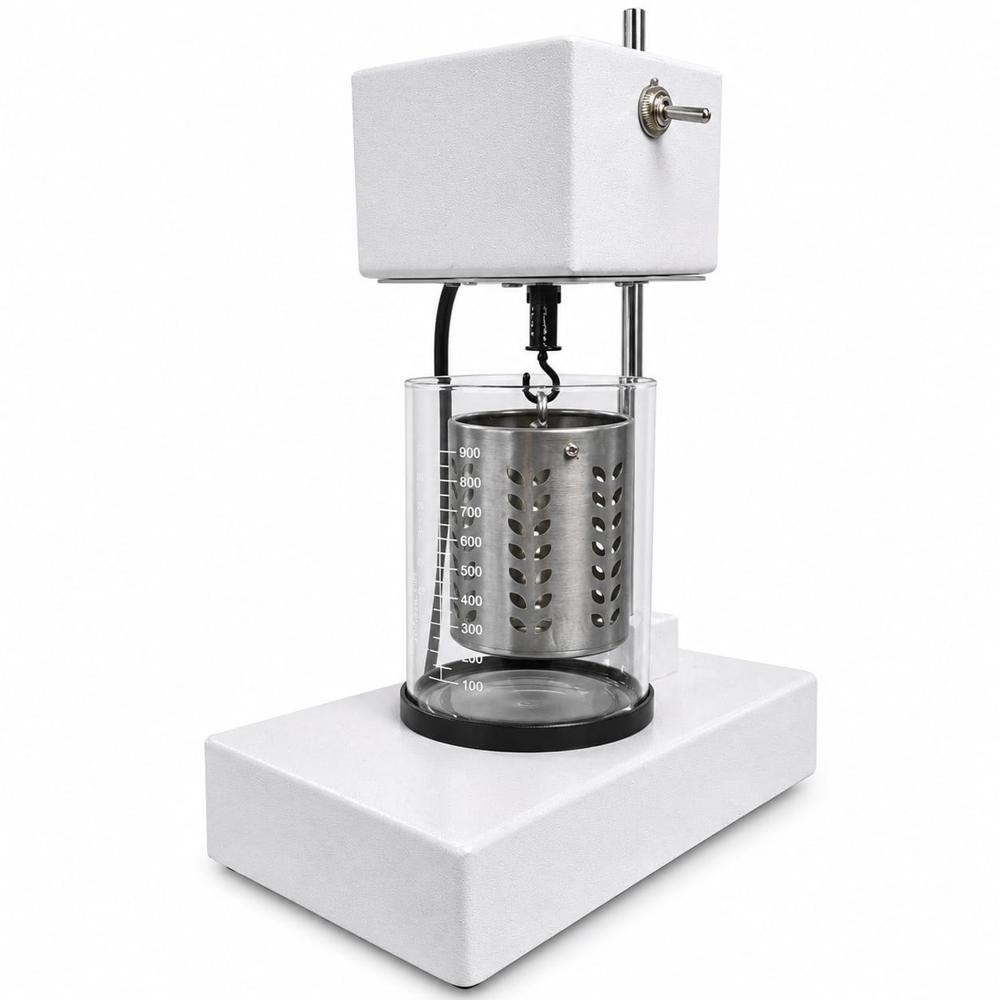
Manual Tissue Processor
6000.00 INR/Piece
Product Details:
- Shape rectangular
- Operation Mode manual
- Equipment Type N/A
- Properties manual Tissue Processing
- Power Consumption 220v Volt-Ampere-Reactive (var)
- Application Histopathology / Pathology Laboratory
- Temperature Range N/A Celsius (oC)
- Click to View more
X
Manual Tissue Processor Price And Quantity
- 6000.00 INR/Piece
- 1 Piece
Manual Tissue Processor Product Specifications
- N/A
- manual
- new
- for processing tissue samples
- N/A
- N/A
- 1 Ltr
- 15x18x30 cm
- easy to use
- N/A
- N/A db
- 220v Volt (v)
- N/A
- 30 Centimeter (cm)
- N/A
- N/A
- yes Hours
- 220 v Volt (v)
- white
- yes
- N/A
- 15x18x30 Centimeter (cm)
- sheet metal alluminium
- rectangular
- N/A
- manual
- 220v Volt-Ampere-Reactive (var)
- manual Tissue Processing
- N/A
- N/A Celsius (oC)
- Histopathology / Pathology Laboratory
- electric and manual
- 50 Hertz (HZ)
- 1 liter
- N/A X
- 1 liter Liter (L)
- N/A
- 2 year
- white
- keepin dry place
- Easy Operation
- 2kg Kilograms (kg)
- small labs
- tissue processor
- for processing the tissue
- N/A %
- small labs
- <55 dB
- Approx. 33 kg
- White/Blue
- Easy Clean Open Architecture
- Benchtop
- 12 Stations
- Programmable Up to 24 Hours
- Automatic Rotational Motion
- 10C to 40C
- Suitable for Xylene, Formalin, Alcohols
- Manual/Automatic
- Overload Protection, Thermal Cutoff
- Up to 70 Cassettes
Manual Tissue Processor Trade Information
- Asia, Australia, Central America, North America, South America, Eastern Europe, Western Europe, Middle East, Africa
- All India
Product Description
Tissues are processed in automatic or manual tissue processors. Automated tissue processors offer higher consistency and safety. Manual tissue processing is still used in small labs or when processing limited samples.
Tell us about your requirement

Price:
Quantity
Select Unit
- 50
- 100
- 200
- 250
- 500
- 1000+
Additional detail
Mobile number
Email

Other Products in 'Staning' category

 Send Inquiry
Our Products

4, Vikaspuri Near Industrial Area, Sai Mandir Road, Ambala Cantt,Ambala Cantt - 133006, Haryana, India

Mr S. K Saini
(M.D)
Mobile :08045802065
 Send Inquiry
 Send SMS
Developed and Managed by Infocom Network Private Limited.
